



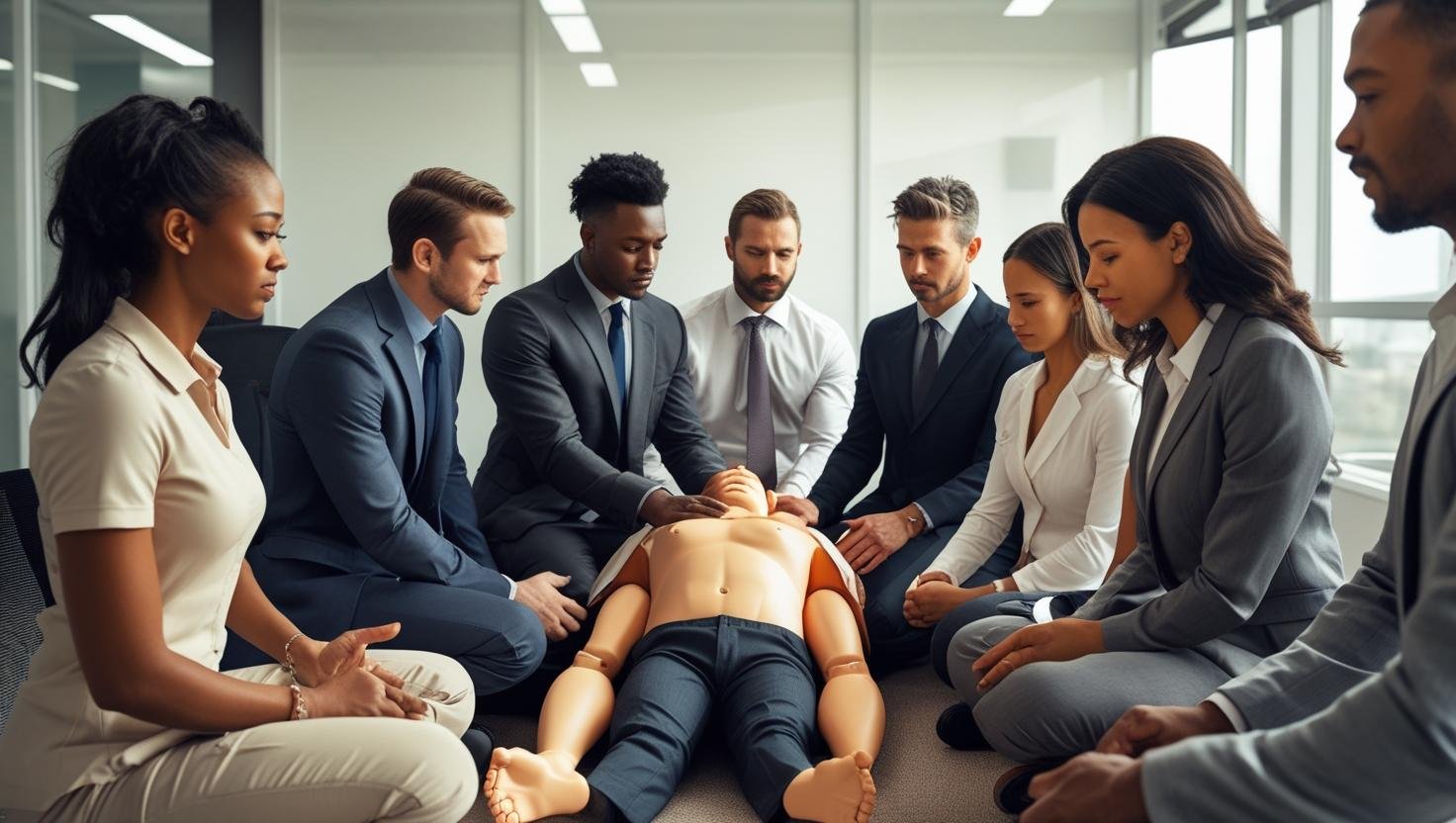
Cardiac arrest does not announce itself. It strikes suddenly, often in the places we feel safest, our homes, offices, schools, and gyms, and the minutes that follow determine whether a person lives or dies. According to the American Heart Association, more than 350,000 cardiac arrests occur outside of hospitals each year in the United States, and survival rates drop roughly ten percent for every minute that passes without intervention. That is why enrolling in cpr classes has shifted from a professional credential into something closer to a basic life skill, one that ordinary people are increasingly expected to carry into their workplaces, classrooms, and family lives.
The Real Window Between Collapse and Recovery
Brain damage can begin within four to six minutes of cardiac arrest. Most emergency medical services, even in well-resourced cities, take seven to fourteen minutes to arrive on scene. The math is sobering, but it also points to a clear answer. The person standing closest to the victim, whether a coworker, parent, coach, or friend, is the one most likely to make the difference. Bystander CPR can double or even triple the chance of survival, and yet only about forty percent of cardiac arrest victims receive it before professionals arrive.
The gap is not a lack of willingness. It is a lack of training. People hesitate because they are not sure what to do, worry about doing it wrong, or fear legal consequences. Each of these concerns is addressed directly in a properly structured certification course.
Who Benefits Most From Certification
Certain professions have long required CPR credentials, including nurses, physicians, EMTs, lifeguards, and licensed childcare providers. But the list of people who genuinely benefit from training extends much further.
Educators and school staff are often first responders during recess injuries, allergic reactions, and student emergencies. Many districts now require renewal every two years.
Fitness professionals and personal trainers work with clients pushing physical limits, where sudden cardiac events, while rare, do happen. Most major gym chains and certifying bodies require active CPR certification.
Parents and caregivers of young children face a different set of risks, including choking, drowning, and accidental falls. Pediatric CPR techniques differ meaningfully from adult protocols, and a course that covers infant and child resuscitation is invaluable.
Office workers and managers are increasingly part of workplace safety teams, especially in companies that take OSHA compliance and employee wellness seriously. A trained employee on every floor is a reasonable standard, not an excessive one.
What a Quality Course Actually Covers
Modern CPR training has evolved well beyond the basic chest-compression demonstration most people remember from a high school health class. A current curriculum aligned with American Heart Association or Red Cross guidelines will include hands-only CPR for untrained bystanders, full CPR with rescue breaths for trained responders, age-specific techniques for adults, children, and infants, and proper use of an automated external defibrillator, or AED.
Courses also address choking response, the recovery position, and how to recognize the signs of a heart attack or stroke before cardiac arrest occurs. Increasingly, programs include guidance on opioid overdose response and naloxone administration, reflecting the realities of modern emergency situations.
The best programs combine instructional content with practical assessment. Online and blended formats have made certification more accessible than ever, allowing busy professionals to complete the cognitive portion at their own pace while still meeting hands-on skills requirements where applicable.
Choosing a Reputable Provider
Not all certifications carry equal weight. Employers and licensing boards typically require credentials that align with nationally recognized guidelines, so verify that any course you consider follows AHA or equivalent standards. A legitimate program will issue a certification card with a verifiable identification number, list a clear expiration date, usually two years from issuance, and provide documentation accepted by hospitals, schools, and regulatory agencies.
Cost is a fair consideration, but so is convenience. A course that fits into a busy schedule is one that actually gets completed, and online certification has made compliance dramatically more achievable for working adults, parents, and shift workers.
Good Samaritan Protections and Why They Matter
One of the most common reasons people hesitate to act is fear of being sued. Every state in the U.S. has a Good Samaritan law that protects bystanders who provide emergency aid in good faith from civil liability, provided they act within the scope of their training and without gross negligence. Quality CPR courses cover the specifics of these protections so trained responders understand their legal standing before they ever face an emergency.
Building a Culture of Preparedness
The most resilient communities are not the ones with the most equipment or the largest emergency budgets. They are the ones where ordinary people know what to do in the first critical minutes of a crisis. A workplace where five employees are CPR-certified is meaningfully safer than one with a single AED and no one trained to use it. A family where both parents understand infant resuscitation is meaningfully safer than one relying entirely on a 911 dispatcher’s phone instructions.
Certification is not about expecting an emergency. It is about being ready if one comes.
If you have been putting off training because of scheduling or cost concerns, online certification has made that excuse harder to justify. Simple CPR offers AHA-aligned online certification programs that fit into a working professional’s schedule and produce employer-accepted credentials, making it a practical starting point for anyone ready to take the step from bystander to responder. The next emergency will not wait for a convenient moment, but the choice to be ready can happen today.