
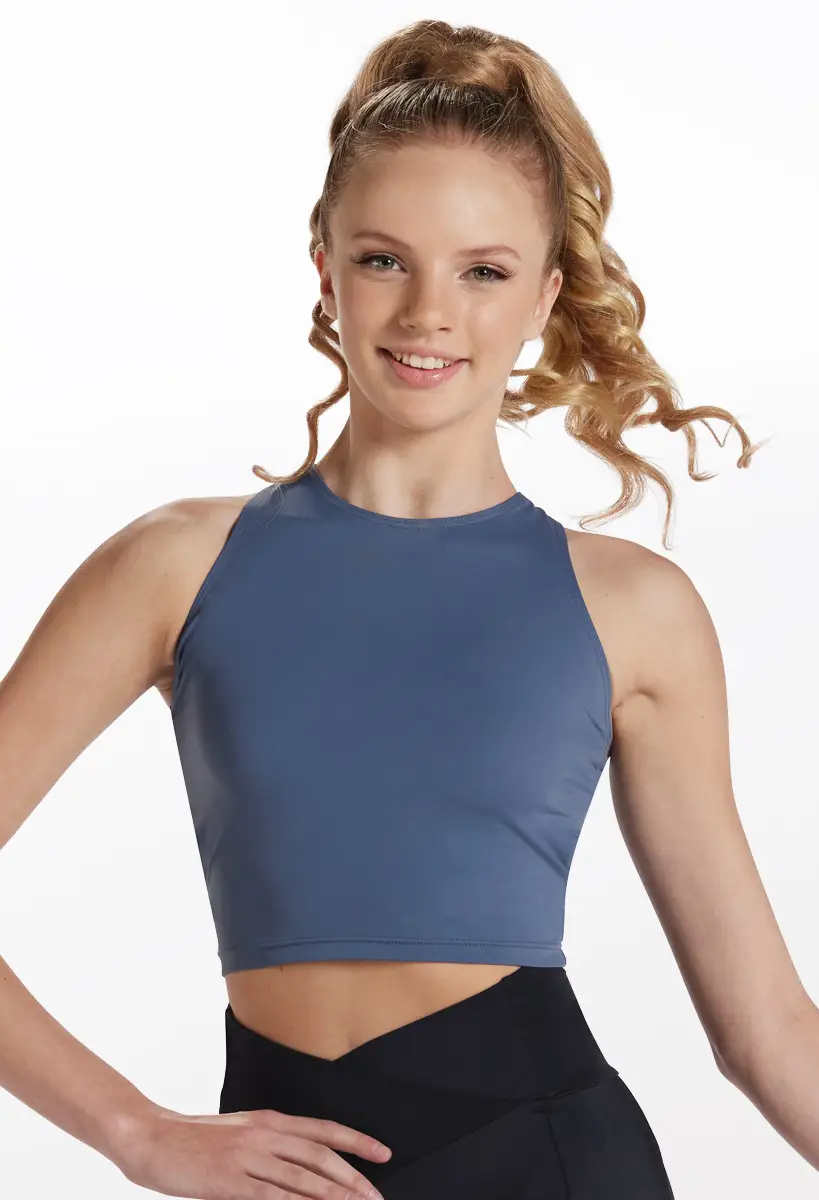
Support and coverage matter more in a dance studio than almost any other athletic setting, given the range of motion involved in daily training. This is exactly why bralette tops have become such a popular choice among dancers, offering a level of structure and coverage suited to both rehearsal and performance without sacrificing the flexibility a full training day demands.
Support level is the first and most important factor to evaluate. Unlike a standard sports bra built primarily for high-impact activity, a well-made bralette top for dance needs to balance moderate support with a broader range of motion through the shoulders, back, and torso, since dance training involves far more varied movement than typical cardio or strength training. Wide, adjustable straps and a secure band along the ribcage help maintain that support through jumps, extensions, and floor work, while avoiding the kind of digging or shifting that distracts from technique during a long rehearsal.
Fabric choice directly affects how well a bralette top performs across a full training session. Moisture-wicking, four-way stretch blends allow the garment to move naturally with the body through deep stretches and turns, while helping regulate temperature during high-intensity combinations. Breathable mesh panels, increasingly common in this category, add ventilation in high-heat areas like the back and underarms without compromising the structure needed for proper support throughout class.
Construction details separate a genuinely dance-appropriate bralette top from styles borrowed from general athleisure or casual fashion. Flatlock seams along the band and straps reduce irritation during extended wear, an important consideration for dancers spending hours in rehearsal. Reinforced stitching at stress points, particularly where straps meet the body of the garment, helps prevent the kind of premature stretching or tearing that lower-quality pieces often experience under repeated, high-range movement.
Coverage and back design deserve particular attention for dancers who train across multiple disciplines throughout a single day. A racerback or crisscross back design offers additional stability during overhead movements and extensions common in ballet and contemporary work, while a straighter back strap may suit dancers who prioritize a cleaner line for more classical technique classes. Understanding which back style best supports a dancer’s primary discipline helps narrow down the right fit before committing to a specific style.
Versatility outside pure technical function has also become a meaningful factor in this category’s popularity. A well-fitted bralette top pairs easily under an open jacket, mesh layer, or loose crop top for rehearsal, while working equally well as a standalone piece for warmer studio conditions or performance styling that calls for visible midsection coverage. This dual-purpose quality has made bralette tops a practical wardrobe staple for teen and young adult dancers who want pieces that transition smoothly between class, performance, and casual wear without needing an entirely separate top for each context.
Sizing range and adjustability matter considerably given the variety of body types found across any studio roster. Bralette tops with adjustable straps and a range of band sizes accommodate growth and body changes more gracefully than fixed-size alternatives, an especially relevant consideration for younger dancers whose proportions may shift meaningfully across a single training season. Studios and parents purchasing for younger dancers specifically should prioritize this adjustability to extend the useful life of each piece purchased.
Choosing the right bralette top ultimately comes down to prioritizing support, breathable construction, and a back design suited to a dancer’s primary training style, rather than selecting purely based on color or trend appeal. Dancers, coaches, and studios looking for well-constructed bralette tops built specifically with training demands in mind can explore a full range of options at Tiger Friday, where support, fabric quality, and studio-ready style are treated as equally essential considerations.
