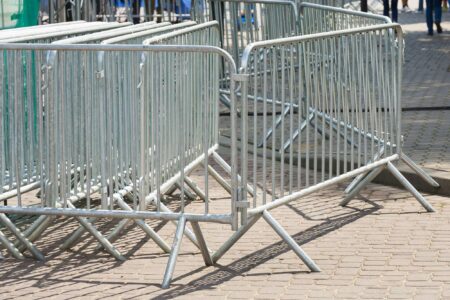



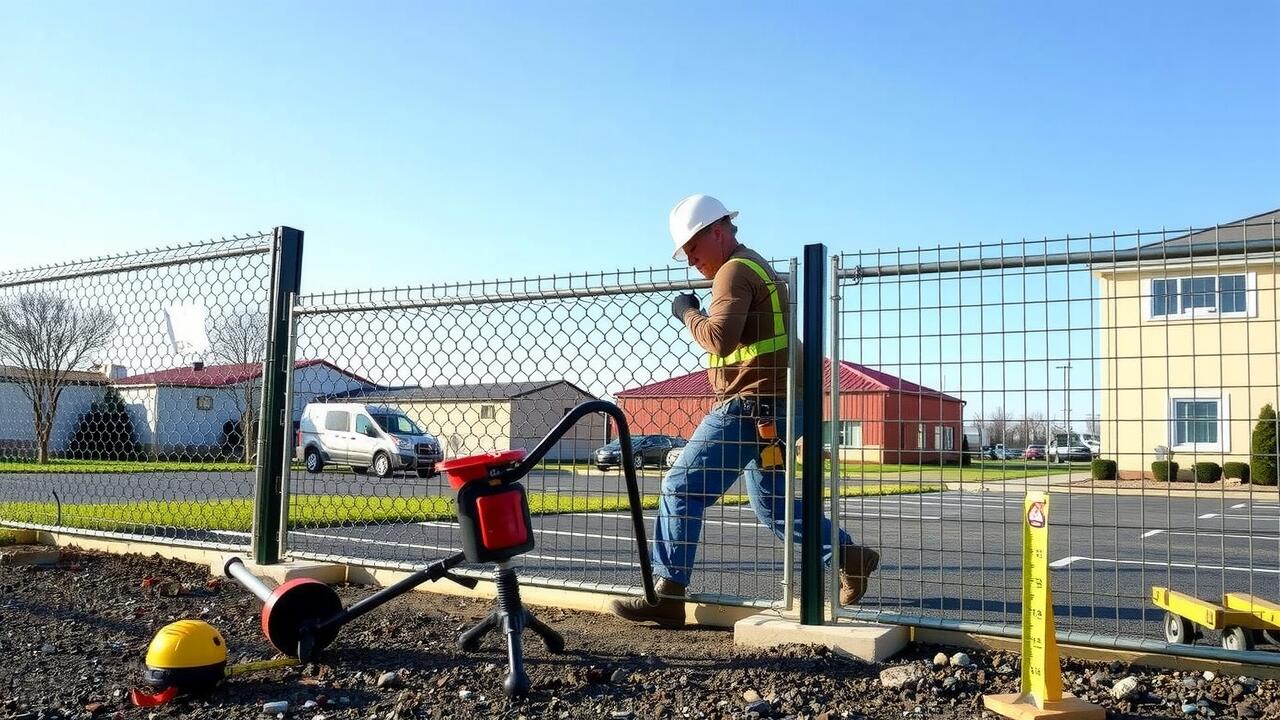
Commercial fencing is a major investment for businesses, industrial facilities, schools, warehouses, and other commercial properties. A well-maintained fence helps protect valuable assets, improve property security, enhance curb appeal, and create a professional appearance. However, even the highest-quality fencing systems require regular care to maintain their strength and appearance over time.
Businesses that work with experienced commercial fence contractors often understand that proper maintenance plays a critical role in maximizing fence lifespan and reducing costly repairs. Neglecting maintenance can lead to structural damage, corrosion, weakened security, and expensive replacements.
Commercial fences are exposed to daily wear, harsh weather conditions, moisture, dirt, and environmental stress. Without proper upkeep, these factors gradually affect durability and performance.
This guide covers essential maintenance tips that help businesses keep their commercial fences strong, secure, and visually appealing for many years.
Why Commercial Fence Maintenance Matters
Commercial fencing serves several important purposes beyond simply marking property boundaries.
A properly maintained fence helps:
- Protect business assets
- Prevent unauthorized access
- Improve employee safety
- Reduce liability risks
- Enhance property appearance
- Support overall security systems
When fencing becomes damaged or poorly maintained, security vulnerabilities increase and the property may appear neglected.
Routine maintenance allows businesses to identify minor issues before they become major problems.
Preventative care is often far less expensive than large-scale fence repairs or complete replacement.
Inspect Commercial Fences Regularly
Regular inspections are one of the most important parts of commercial fence maintenance.
Businesses should inspect fencing periodically for signs of:
- Rust
- Loose hardware
- Leaning posts
- Cracks
- Bent sections
- Corrosion
- Gate alignment problems
- Damage from impact or vandalism
Frequent inspections help identify early warning signs before structural problems worsen.
Commercial properties with high traffic or increased security risks may benefit from more frequent inspections.
Check Fence Posts for Stability
Fence posts provide the structural foundation for the entire fencing system.
Over time, posts may weaken because of:
- Soil movement
- Moisture exposure
- Heavy impact
- Improper drainage
- Ground freezing and thawing
Unstable posts can cause fencing panels to sag or lean, reducing both appearance and security effectiveness.
Commercial fence contractors often recommend checking posts regularly for movement or signs of deterioration.
If problems are detected early, repairs are usually simpler and less expensive.
Keep Fences Clean
Dirt, debris, and environmental buildup can gradually damage fencing materials if left untreated.
Regular cleaning helps preserve both appearance and durability.
Cleaning Metal Fences
Aluminum and steel fences should be cleaned periodically to remove:
- Dirt
- Salt buildup
- Pollution residue
- Moisture accumulation
Mild soap and water are often sufficient for routine cleaning.
Removing buildup helps reduce the risk of corrosion and surface damage.
Cleaning Vinyl Fences
Vinyl fencing requires minimal maintenance but should still be cleaned occasionally to prevent discoloration and staining.
Simple washing helps maintain vinyl’s clean and professional appearance.
Cleaning Wood Fences
Wood fences may require more extensive maintenance because they are more vulnerable to moisture and environmental exposure.
Cleaning wood fencing removes:
- Mold
- Mildew
- Dirt
- Algae growth
Regular cleaning helps preserve the fence’s structural integrity and appearance.
Address Rust and Corrosion Quickly
Rust is one of the biggest threats to metal commercial fencing.
Steel fencing, gates, and hardware should be inspected regularly for corrosion.
Small rust spots can spread quickly if left untreated.
Businesses should remove rust promptly and apply protective coatings when necessary.
Professional commercial fence contractors often recommend:
- Rust-resistant finishes
- Protective sealants
- Powder-coated fencing materials
Preventative treatments significantly extend fence lifespan.
Maintain Gates and Access Points
Commercial gates experience heavy daily use and often require more maintenance than fence panels.
Gate problems can affect:
- Security
- Access control
- Operational efficiency
Businesses should inspect gates regularly for:
- Hinge wear
- Alignment issues
- Damaged rollers
- Loose hardware
- Lock malfunctions
Automated gates should also be tested periodically to ensure smooth and reliable operation.
Keeping gates properly maintained reduces the risk of operational failures and security vulnerabilities.
Trim Vegetation Around Fences
Overgrown vegetation can damage commercial fencing over time.
Trees, vines, shrubs, and tall grass may:
- Trap moisture
- Cause rust
- Push against fence panels
- Weaken structural components
Businesses should maintain clear space around fencing whenever possible.
Trimming nearby landscaping improves airflow, visibility, and overall fence condition.
It also helps security teams monitor the perimeter more effectively.
Repair Minor Damage Immediately
Small fence problems can quickly become major repairs if ignored.
Businesses should address issues such as:
- Loose bolts
- Minor dents
- Bent panels
- Missing hardware
- Cracked boards
Prompt repairs help maintain fence strength and prevent additional structural stress.
Delaying maintenance often increases long-term repair costs.
Protect Wood Fencing from Moisture
Wood fencing requires extra protection against moisture damage.
Commercial wood fences benefit from:
- Sealing
- Staining
- Waterproof coatings
These treatments help reduce:
- Rot
- Warping
- Cracking
- Insect damage
Routine treatment extends the lifespan of wood fencing and preserves its appearance.
Monitor Fence Alignment
Commercial fences should remain level and properly aligned over time.
Leaning or sagging sections may indicate:
- Weak posts
- Soil erosion
- Structural instability
Misaligned fencing not only affects appearance but can also reduce security effectiveness.
Professional contractors can evaluate alignment issues and recommend appropriate repairs.
Prepare Fences for Seasonal Weather
Changing weather conditions can affect fence performance throughout the year.
Heavy rain, snow, ice, and temperature fluctuations place stress on fencing systems.
Businesses should inspect fencing before and after severe weather conditions to identify:
- Water damage
- Ground movement
- Corrosion
- Structural stress
Seasonal maintenance helps reduce weather-related deterioration.
Invest in Professional Maintenance Services
Although some maintenance tasks can be handled internally, professional inspections and repairs provide additional benefits.
Experienced commercial fence contractors understand:
- Structural requirements
- Material performance
- Security considerations
- Long-term maintenance strategies
Professional maintenance services help businesses:
- Extend fence lifespan
- Reduce repair costs
- Improve security
- Maintain professional appearance
Scheduled professional inspections can identify hidden issues before they become expensive problems.
Why Preventative Maintenance Saves Money
Some businesses postpone fence maintenance to reduce short-term expenses. However, neglect often results in higher long-term costs.
Preventative maintenance helps avoid:
- Major structural failures
- Emergency repairs
- Premature fence replacement
- Security vulnerabilities
Routine upkeep protects the original investment and improves overall fence performance.
Improve Business Appearance with Proper Fence Care
Commercial fencing contributes significantly to a property’s appearance.
Clean, well-maintained fencing creates a more professional image and leaves a positive impression on:
- Customers
- Clients
- Employees
- Visitors
Damaged or neglected fencing can negatively affect business reputation and property value.
Maintaining fencing properly supports both security and visual appeal.
Final Thoughts
Commercial fencing plays an essential role in protecting business properties, improving safety, and maintaining professional appearance. Like any long-term investment, fencing requires regular care to remain effective and durable.
Routine inspections, cleaning, prompt repairs, and preventative maintenance help businesses extend fence lifespan while reducing long-term expenses.
Working with experienced commercial fence contractors ensures proper maintenance strategies and professional support when repairs or upgrades are needed.
By investing in consistent fence maintenance, businesses can improve security, protect their property, and maximize the value of their commercial fencing system for many years.