


A good tactical boot should protect your feet without slowing you down. Whether you work in law enforcement, military service, security, emergency response, or a demanding jobsite role, your boots have to support long hours, fast movement, and changing ground conditions.
Heavy boots can feel fine at the start of a shift, but the difference becomes more noticeable after hours of walking, standing, climbing stairs, entering vehicles, or moving across concrete, gravel, grass, and pavement. That is why many workers now look for lightweight tactical boots that still offer traction, ankle support, and duty-ready durability.
Comfort Is Not a Luxury on Duty
Foot comfort affects more than how your feet feel. Poor footwear can lead to fatigue, sore knees, lower back strain, blisters, and slower movement. For workers who spend most of the day on their feet, a lighter boot can make a real difference.
A tactical boot should feel supportive without feeling bulky. Look for cushioned midsoles, padded collars, breathable linings, removable inserts, and enough toe room. These features help reduce pressure during long shifts.
BootsPlusMore’s tactical boot collection notes that many tactical boots in the collection include padded collars and tongues for ankle support, rubber outsoles with multi-surface tread, and lightweight construction under 24 ounces per boot.
Grip Matters Across Different Surfaces
Tactical workers rarely stay on one type of ground all day. A police officer may move from pavement to tile to grass. A first responder may deal with wet floors, roadside gravel, or uneven ground. A warehouse or security worker may spend hours on polished concrete.
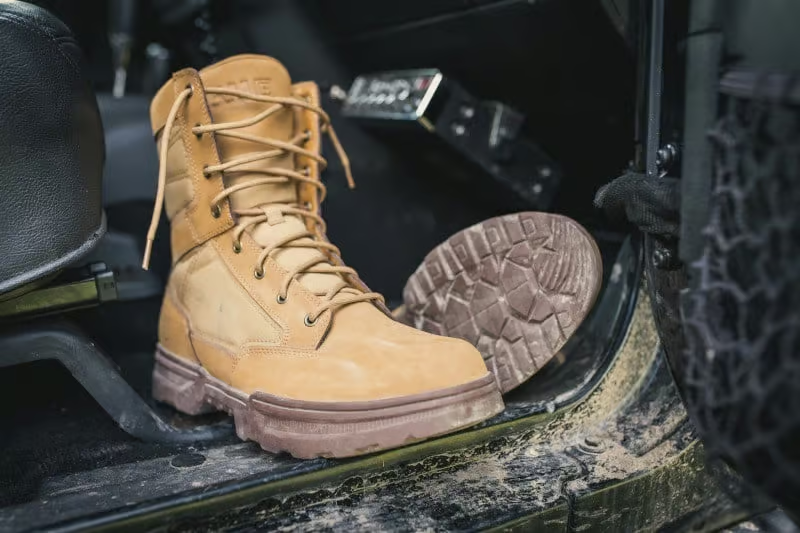
That makes outsole grip important. A good tactical boot should have a rubber outsole with tread that handles mixed surfaces. Slip resistance is especially important in wet or high-traffic environments.
Some boots are designed with a more athletic feel, which can support faster movement. For example, Bates Raide tactical boots are described with a slip-resistant rubber tread, cushioned midsole, and a running-shoe-like build.
Choose the Right Boot Height and Entry Style
Boot height depends on your work. Taller boots may provide more ankle coverage and support. Mid-height boots may feel lighter and easier to move in. Low-profile tactical shoes may work for officers or professionals who need a cleaner appearance with duty comfort.
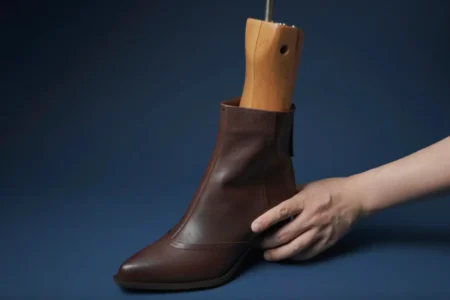
Side-zip boots can also be helpful for workers who need fast on-and-off access. Lace-up boots may give a more exact fit, while side-zip designs make shift changes easier.
There is no single right choice for everyone. The best option depends on uniform rules, jobsite hazards, mobility needs, and personal comfort.
Waterproofing and Safety Toe Protection May Matter
Not every worker needs waterproof tactical boots, but anyone working outdoors or around wet conditions should consider them. Waterproof membranes can help keep feet dry during long shifts.
Safety toe protection may also matter if your work involves heavy equipment, tools, pallets, or materials. BootsPlusMore’s tactical collection includes select models with waterproof DryGuard membranes, safety toe protection rated to ASTM F2413, and electrical hazard ratings.
The key is to choose features based on your actual work environment, not just the product name.
Where to Shop
For buyers comparing lightweight tactical boots, BootsPlusMore offers men’s military and tactical boots from brands such as Bates and Rocky, with options for military personnel, law enforcement, first responders, and workers who need duty-ready footwear.
Final Thoughts
Lightweight tactical boots can help reduce fatigue while still giving workers the grip, support, and durability needed for demanding shifts. Before buying, compare weight, outsole traction, cushioning, boot height, waterproofing, and safety ratings.
Visit BootsPlusMore today to browse tactical boot options and choose a pair that supports your workday from start to finish.